
Hikes Around Aoraki Mt Cook in Winter: What Changes
Winter walks in Aoraki Mt Cook remain accessible, but snow, ice, and rapidly changing alpine conditions mean preparation and awareness are essential to enjoy the experience safely.
Winter is when Aoraki Mt Cook feels the most real.
The tracks stay the same. The distances don’t change. But everything around them does. Snow settles across the valley, ice forms where you don’t expect it, and wind moves through the landscape differently. What felt like an easy walk in summer can suddenly feel exposed, quieter, and more dependent on the conditions of the day.
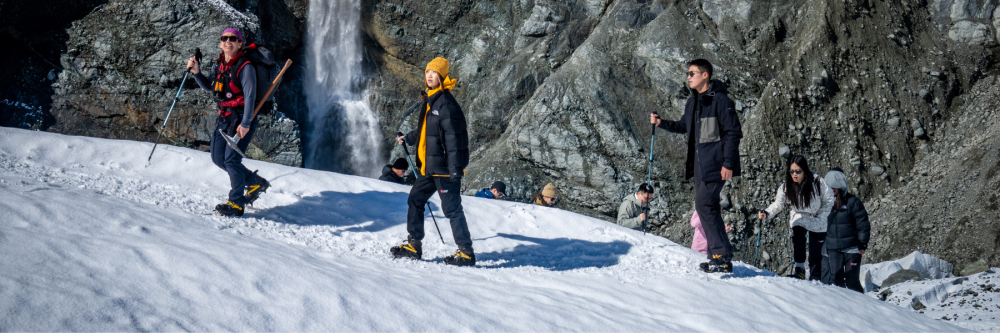
This isn’t a place that closes in winter. Many of the best-known free walks remain open and accessible, drawing visitors who want to see the mountains under snow.
But you are no longer just following a track. You are walking through an alpine environment where weather, temperature, and terrain shape the experience as much as the route itself.
Understanding that from the start changes everything.
The Walks That Still Work in Winter
One of the most appealing things about Aoraki Mt Cook is how quickly you can access this environment. You don’t need a full day or advanced skills to get out there, but you do need to adjust expectations.
Hooker Valley Track
This is still the most iconic walk in the region. It is a 10km loop with minimum elevation gain and remains accessible year-round.
- Time: 3 to 4 hours return
- Track: Well maintained and relatively flat
In winter, the valley becomes more defined. Snow sharpens the lines of the peaks and quietens the landscape. The terminal lake often sits still beneath the mountain, with fewer people around and a colder, more atmospheric feel.
What to watch for:
- Ice on sections of the path, especially in shaded areas
- Exposure to wind on the swing bridges
- Faster temperature drops deeper into the valley
Tasman River Track
An easy walk on paper, but in winter it feels more open and exposed.
- Time: Around 1.5 hour return
- Terrain: Flat, wide valley
The lack of shelter is noticeable here. Wind chill can make temperatures feel significantly colder, particularly near the glacier lake. In colder conditions, surfaces can freeze, and the landscape feels more remote despite the short distance.
Kea Point Track
A short walk that delivers spectacular views in record time.
- Time: Around 1 hour return from the Mt Cook Village
- Terrain: A great flat option for hikers of all fitness levels
This is often where people first notice the difference winter makes. Ice can form early in the morning, and the viewpoint is fully exposed to the wind. It’s a simple track, but not one to underestimate when conditions shift.
Red Tarns and Sealy Tarns Track
These walks introduce elevation, and with that comes a different level of exposure.
- Red Tarns: Moderate, less crowded and around 2 hours return
- Sealy Tarns: Moderate to challenging, around 3 hours return and only recommended to experiences, strong hikers who feel confident in winter conditions.
In winter, the climb becomes more than just a workout.
- Steps can become icy
- Snow can cover uneven ground
- Slips carry more consequence on steeper terrain
These are still achievable walks, but they require a slower pace and certainly more awareness than in summer.
Winter Hazards That Catch People Out
The biggest challenge in Aoraki Mt Cook isn’t technical difficulty. It’s assuming the track will feel the same as it looks on a map. The last thing you want is to be caught in an emergency situation due to a lack of research.
Ice in unexpected places
Even easy, well-formed tracks can become slippery with overnight frost or snowmelt refreezing. So be sure you wear appropriate footwear.
Rapid weather changes
Conditions in alpine terrain can shift quickly, including wind increases, cloud cover, or snowfall.
Wind exposure
Open valleys and viewpoints offer little shelter. Calm conditions in the village don’t always reflect what you’ll experience further along the track. Don’t forget to also check regional forecast ahead of your hike.
Shorter daylight hours
Winter reduces both light and warmth. Temperatures drop quickly once the sun moves behind the peaks.
How to Prepare Properly
Being prepared doesn’t mean overcomplicating things. It means adjusting to where you are.
- Dress in layers: ensure you are ready for extreme conditions. Dress warm with a base, insulation, and a waterproof outer
- Wear proper footwear: grip matters on icy and slippery surfaces, so be sure your most important point of contact with the track is appropriate
- Start earlier: give yourself time with daylight
- Check conditions on the day: weather changes matter here, so be sure to constantly check the weather and also do a good check before you start your hike
- Be willing to turn back: conditions don’t always improve further in and safety should always remain the priority. It’s not worth taking uncalculated risks
Aoraki rewards awareness more than speed.
Where the Track Network Ends
There is a natural limit to what walking can give you in winter.
From the valley floor, you can follow rivers, reach glacier lakes, and climb for views. But beyond that, the landscape rises into snowfields, icefalls, and the upper glacier systems. These environments don’t connect to the walking tracks, especially in winter conditions.
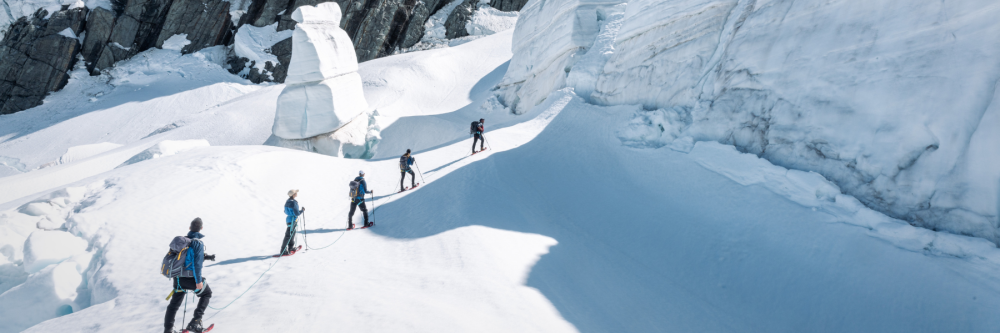
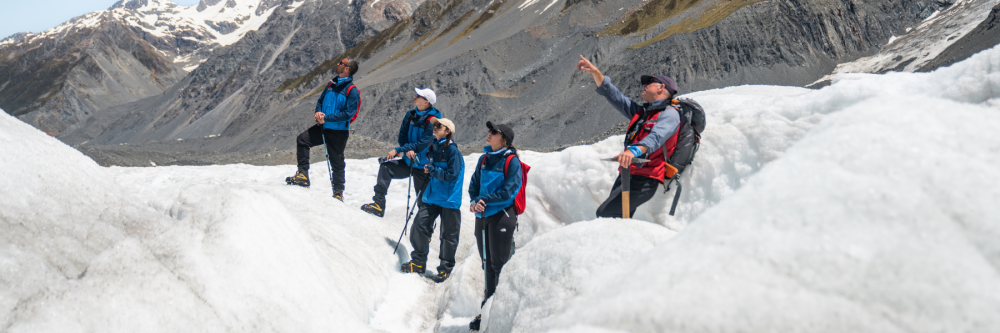
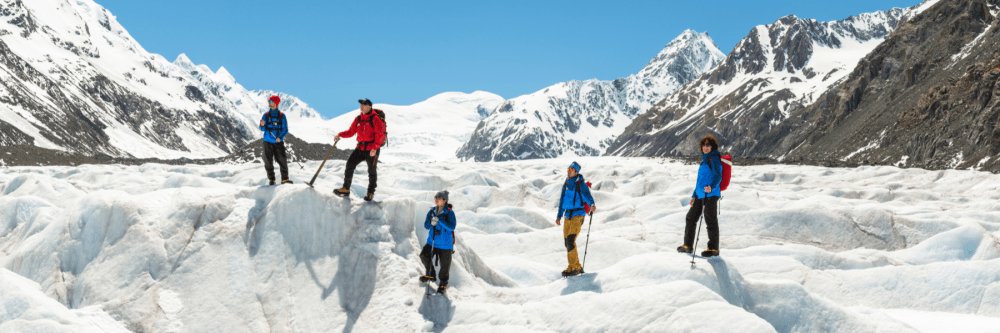
Accessing them safely typically requires specialist equipment, skills, or guided experiences. For example, glacier hikes in this region are conducted with guides, equipment like crampons or snowshoes, and controlled access points depending on conditions.
This isn’t a limitation. It’s simply how the environment is structured.
A Different Way to Access the Glacier
This is where the experience changes.
When the tracks end, the landscape doesn’t. It just becomes harder to reach and require more experienced equipment and guides to be with you every step.
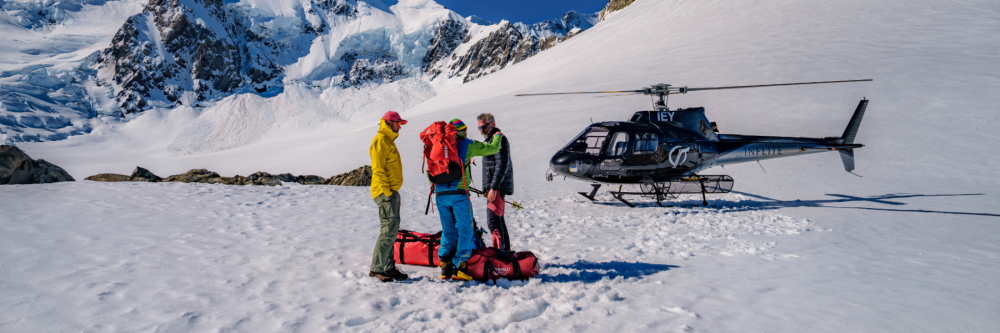
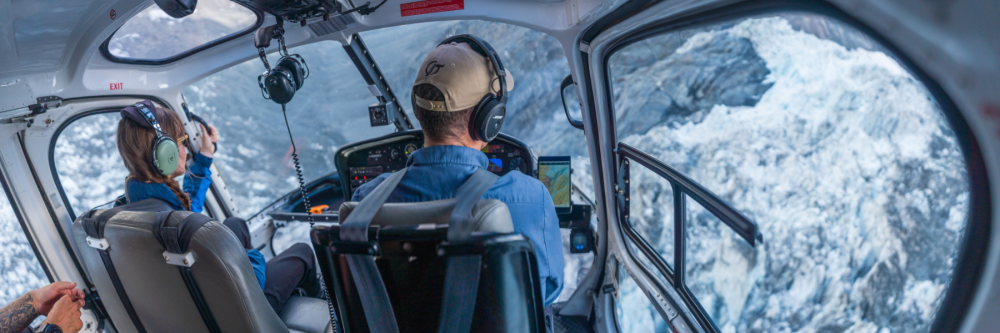
With Mount Cook Ski Planes & Helicopters, it becomes possible to access those higher alpine areas in a way that aligns with the conditions. Flights are designed around the terrain and weather, allowing you to move beyond the valley floor and step directly onto snowfields that sit far beyond the walking network.
You can:
- Land directly on the Tasman Glacier
- Step out onto snow and ice environments that are otherwise inaccessible in winter
- Experience the upper alpine system without needing technical climbing or extended expeditions
Some experiences in the region combine both perspectives, with flight access followed by guided exploration on the glacier itself, using the appropriate equipment for the conditions.
It’s not about replacing walking. It’s about continuing the experience and getting access to parts of the landscape that walking alone cannot reach in winter.
The Reality of Walking Here in Winter
Aoraki Mt Cook doesn’t simplify in winter. It becomes clearer.
Tracks are still there, and many are still achievable. But what defines the experience is no longer just where you go, it’s how the mountain behaves while you are there.
Prepare properly. Take your time. Pay attention to the conditions around you.
Because walking here isn’t just about getting to the end of a track. It’s about understanding the environment you’re moving through, and recognising that there is always more beyond it.
FAQs
Are walks around Mt Cook open in winter?
Yes, many tracks remain accessible, but conditions like snow, ice, and wind can affect how easy they feel. Higher altitude tracks require expertise and equipment and should only be considered under the guidance of guides who are fully experienced in navigating conditions.
Do I need special gear for winter walking?
For most basic and shorter tracks, no technical gear is required, but warm layers and good footwear are essential. Real glacier trekking requires heaps of knowledge and the required equipment to ensure your safety.
Can you walk on the Tasman Glacier?
Access to the glacier itself is typically done through guided experiences due to terrain and safety requirements. you can book these glacier hikes and helicoipter rides onto with glacier with Mount Cook Ski Planes and Helicopters.
How quickly does weather change in Mt Cook?
Very quickly. Alpine conditions can shift within hours, affecting visibility and safety. Always check the weather before you set out on a hike or activity.
Is it safe to walk in Mt Cook during winter?
Yes, with preparation and awareness. Most risks come from ice, exposure, and changing weather conditions.